Smooth Block Embroidery Font: A Designer Review
As I curate my upcoming seasonal collection, selecting the right typography is just as critical as choosing the perfect holiday motifs. When planning inventory for the transition from Back To School into the winter holiday rush, versatility is key. After testing numerous options, the Smooth Block Embroidery Font has emerged as a standout candidate for my production lineup. This machine embroidery design offers a sleek and stylish aesthetic that bridges the gap between modern minimalism and festive tradition. For fellow Etsy sellers, apparel decorators, and handmade gift makers, understanding how this specific font performs on actual substrates is essential before committing it to a seasonal product drop.
First Impressions: Modern Clarity Meets Seasonal Warmth
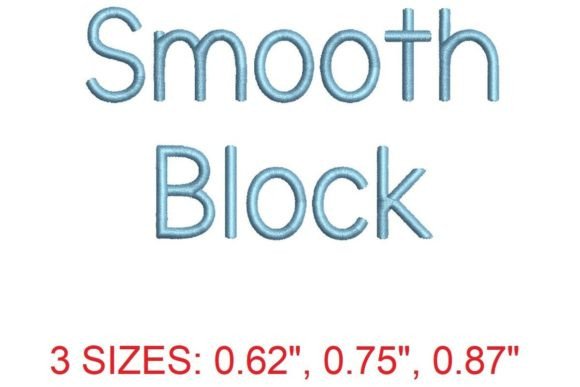
My initial assessment of the Smooth Block Embroidery Font focused on its emotional tone and decorative style. Unlike ornate scripts that can sometimes feel overly formal or difficult to read at a distance, this font exudes a sense of modernity and clarity. The clean lines provide a contemporary foundation that allows the thread colors and fabric texture to take center stage. While it feels undeniably modern, it does not lack warmth. Instead, its bold structure creates a confident canvas for holiday messaging.
When digitizing for seasonal embroidery, we often look for fonts that evoke specific feelings. Smooth Block strikes a balance between playful and premium. It feels organized enough for school spirit wear yet substantial enough for cozy family gifts. The absence of unnecessary flourishes means the focus remains entirely on the personalization, making it an excellent choice for customers who value legibility alongside aesthetic appeal. It suggests a finished product that is intentional, high-quality, and thoughtfully designed.
Performance Across Holiday Product Categories
In real-world selling situations, a font must perform across various mediums. I evaluated the Smooth Block Embroidery Font specifically for high-volume seasonal items. For sweatshirt embroidery, this font is exceptional. Its blocky nature holds up beautifully on fleece and french terry fabrics where finer details might get lost in the pile. The solid fill provides excellent coverage, ensuring names and dates pop against both light and dark garments.
For home decor enthusiasts creating kitchen towel embroidery or pillow cover designs, the font’s geometric precision complements structured linens perfectly. It reads clearly from across a room, which is vital for decorative items meant to be seen in living spaces. Tote bag design also benefits significantly; the sturdy lettering withstands the wear and tear associated with reusable shopping bags and gift carriers. Furthermore, when designing embroidered patches for jackets or backpacks, the clean edges of Smooth Block ensure the border stitching aligns flawlessly, resulting in a professional-grade patch every time.
I also tested this font for personalized gift bundles. Whether stitching matching family pajamas or custom ornaments, the consistency of the letterforms ensures brand cohesion across different products. For Etsy sellers offering digital embroidery files, this font translates well into printable mockups because its simple geometry is easy for customers to visualize on their own projects before purchasing.
Navigating Technical Limitations and Fabric Challenges
Despite its versatility, no single machine embroidery design is without limitations. As experienced designers know, application matters. I advise using caution when applying Smooth Block Embroidery Font to small hoop sizes or tiny lettering applications. Because block fonts rely on solid fill areas, reducing them below a certain threshold can cause stitch density issues, leading to puckering or illegible text. Always check the minimum recommended size before scaling down for baby items or sleeve cuffs.
Fabric texture plays a massive role in the success of this design. On thick towels or plush blankets, you may need to adjust your stabilizer strategy or add a topping to prevent the stitches from sinking. Conversely, on stretchy garments like performance tees or curved caps, the rigid structure of a block font requires careful hooping and adequate stabilization to prevent distortion. Dark fabrics present another consideration; while the font covers well, metallic threads can sometimes break more frequently on dense block fills. Test runs are mandatory when pairing this font with specialty threads for holiday sparkle effects.
Additionally, consider the washing requirements of the finished product. Items destined for repeated laundering, such as children's aprons or table linens, require secure tie-offs and appropriate underlay. While Smooth Block is generally robust, verifying the digitizing quality for these specific stress points ensures customer satisfaction long after the holiday season ends.
Enhancing Buyer Emotion and Shop Value
The choice of typography directly influences buyer emotion and perceived product value during the competitive holiday shopping period. Smooth Block Embroidery Font enhances visual recognition, allowing shoppers to instantly understand what they are buying even in thumbnail images. This clarity builds customer trust, particularly for new visitors to your shop who are hesitant about custom orders. They can clearly see how their name will appear, reducing purchase anxiety.
From a business perspective, this font supports higher price points for personalized gifts. Its polished appearance signals commercial embroidery quality rather than amateur crafting. When used in limited edition apparel drops or exclusive holiday collections, the modern aesthetic helps differentiate your offerings from generic competitors. It appeals to a demographic seeking sophisticated nostalgia—items that feel traditional but look current. This engagement is crucial for social media previews, where clean typography stops the scroll and drives traffic to your listings.
Essential Designer Notes for Seasonal Success
Before adding Smooth Block Embroidery Font to your seasonal catalog, adhere to these practical guidelines to ensure production success:
- Test Thread Colors Extensively: Run samples on both white and navy fabric. Block fonts show contrast differently than scripts, and what looks good digitally may need adjustment in physical thread.
- Verify Stitch Density: Check the density settings relative to your target fabric. If you plan to use this for heavy winter coats versus lightweight tea towels, you may need two separate versions of the embroidery file to optimize results.
- Confirm Hoop Size Compatibility: Ensure the capital letters fit within your smallest intended hoop size without requiring excessive re-hooping or resizing that compromises integrity.
- Select Proper Stabilizer: Create a reference chart for your team. Document which stabilizer works best for this specific font on velvet, denim, cotton, and polyester blends.
- Create Realistic Mockups: Use high-quality photos of actual stitched samples for your listings. Digital renders often fail to capture the texture of block fill stitches, which is a major selling point for this design.
- Review Small Details Post-Stitch: Inspect corners and inner loops after test stitching. These areas are prone to buildup in block fonts and may require manual editing if the digitizer did not account for thread accumulation.
- Plan Matching Color Palettes: Develop pre-set color combinations that work with this font’s modern vibe. Think matte gold, forest green, and cream rather than neon or overly shiny variegated threads.
- Confirm Commercial Licensing: Before selling finished seasonal products or the digital embroidery file itself, review the license terms. Ensure you have the rights for both physical goods and potential file resale if applicable.
Ultimately, the Smooth Block Embroidery Font is a powerful tool for the discerning embroidery designer. By respecting its technical parameters and leveraging its modern aesthetic, you can create a cohesive, profitable, and beautiful seasonal collection that resonates with today’s handmade gift market. Always refer to the specific product documentation for exact stitch counts, file formats, and licensing details before beginning your holiday production run.